

Learn how to register your car in California with our step-by-step guide. First, ensure you meet eligibility requirements including owning a vehicle and having a valid driver’s license. Gather essential documents like proof of ownership, insurance, and identification. Visit a DMV office or use their online services to complete the registration process. Verify your vehicle’s crucial VIN using a trusted dmv vin verifier. Post-registration, don’t forget to obtain insurance, display tags, and maintain regular service checks for smooth driving.
- Eligibility Requirements for Car Registration in California
- Gather Necessary Documents for Car Registration
- Visit the DMV and Complete the Registration Process
- Verify the Vehicle's VIN (Vehicle Identification Number)
- Post-Registration Steps: Insurance, Tags, and Maintenance
Eligibility Requirements for Car Registration in California

To register a car in California, there are specific eligibility requirements that vehicle owners must meet. Firstly, the car must be properly insured and have a valid registration from another state or country. Additionally, it’s essential to ensure that the vehicle passes a safety inspection, which includes a thorough examination of critical components like brakes, lights, and tires. The California Department of Motor Vehicles (DMV) recommends using a mobile VIN verifier for an efficient and convenient vin inspection process.
Another crucial aspect is verifying the Vehicle Identification Number (VIN). This unique 17-character code helps in identifying specific vehicle details and history. Using a mobile VIN verifier can facilitate this process by providing real-time data on the car’s past, including any accidents or outstanding issues, ensuring that only eligible vehicles are registered on California roads.
Gather Necessary Documents for Car Registration

Before you begin the registration process, it’s crucial to gather all the essential documents required by the California Department of Motor Vehicles (DMV). This includes your vehicle’s registration papers from the previous owner, a valid driver’s license or state ID card, proof of insurance, and the Vehicle Identification Number (VIN) verification report. A DMV VIN verifier or mobile vin verifier can be used to obtain this critical information, ensuring that your car passes inspection and meets all legal standards.
Additionally, you’ll need to present a completed vehicle registration application form, available from the DMV or online. Make sure your vehicle is eligible for registration in California by checking the regulations regarding out-of-state vehicles and any applicable fees. A thorough preparation of these documents will streamline the car registration process, making it easier and faster at the DMV or through their online services.
Visit the DMV and Complete the Registration Process

Once you’ve gathered all the necessary documents, it’s time to visit your local California DMV office. The registration process typically involves several steps, ensuring that your vehicle complies with state regulations. When you arrive, locate the designated area for vehicle registration and present your paperwork. A DMV representative will guide you through the process, which includes completing application forms, providing proof of insurance, and possibly undergoing a mobile VIN verification to ensure the vehicle’s authenticity.
During this process, the DMV official may also conduct a visual inspection, checking the overall condition and safety features of your car. Make sure all lights, brakes, and other critical components are functioning correctly. By adhering to these procedures, you’ll be well on your way to securing the registration for your new (or used) California vehicle.
Verify the Vehicle's VIN (Vehicle Identification Number)
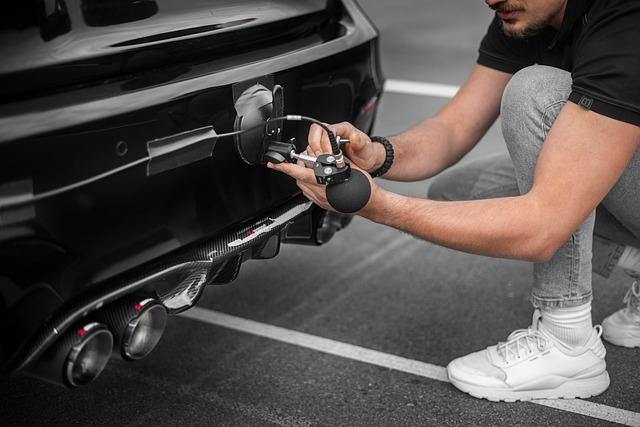
Before you begin the registration process, it’s crucial to verify your vehicle’s Vehicle Identification Number (VIN). This unique 17-character code is a critical piece of information for identifying your car and ensuring its authenticity. One effective way to do this is by using a DMV VIN verifier or even a mobile vin inspection app. These tools allow you to quickly and easily cross-reference the VIN against official databases, confirming its validity and providing essential details about the vehicle’s history.
By utilizing these modern methods of vin inspection, you can save time and avoid potential issues later on. A simple check using a mobile vin verifier ensures that your car is safe to register and helps prevent fraud or unseen problems from becoming a headache down the road.
Post-Registration Steps: Insurance, Tags, and Maintenance

After successfully registering your vehicle with the California DMV, there are several crucial post-registration steps to complete. One of the most essential is obtaining insurance, as it’s both a legal requirement and a vital protection for your investment. Ensure you have the appropriate coverage and keep records handy.
Additionally, you’ll need to acquire license plates (tags) from the DMV or an authorized agent. These tags are not only mandatory for your vehicle’s identification but also serve as a constant reminder of your registration status. Regular maintenance is another vital aspect; staying on top of service appointments, including oil changes and emission tests (if applicable), will help keep your car in optimal condition and extend its lifespan. Remember to utilize resources like the DMV’s vin verifier (DMV Vehicle Identification Number) for quick and efficient verification processes, whether it’s through a mobile vin inspection or at a local office.
Registering a car in California is a straightforward process that requires attention to detail. By understanding eligibility requirements, gathering essential documents, and visiting your local DMV, you can efficiently complete the registration. Verifying the Vehicle Identification Number (VIN) using a trusted dmv vin verifier ensures accuracy. Post-registration, remember to obtain insurance, display tags, and maintain your vehicle for a smooth ownership experience.