

Looking to register your car in California? Navigating the process can seem daunting, but we’re here to guide you step-by-step. From understanding the California vehicle registration requirements to gathering essential documents and even the crucial role of VIN verification, this comprehensive article has got you covered. Learn how to ensure a smooth registration experience and what to expect post-registration.
- Understanding the California Vehicle Registration Process
- Gathering Necessary Documents for Car Registration
- VIN Verification: How and Why It's Crucial
- Step-by-Step Guide to Registering Your Vehicle in CA
- After Registration: Important Considerations and Next Steps
Understanding the California Vehicle Registration Process

In California, registering a car involves several steps that ensure vehicle safety and compliance with state regulations. The process begins with gathering essential documents, including proof of ownership, insurance, and identification. Once these are in order, the next crucial step is vin verification. This entails checking the Vehicle Identification Number (VIN) to confirm the vehicle’s details, which can be done through various methods, including mobile vin inspection or visiting a DMV office for a vin inspection.
During vin inspection, authorities verify that the car meets safety standards and emissions regulations. After passing this check, you can proceed with registering your vehicle at a California Department of Motor Vehicles (DMV) office. This involves filling out necessary forms, paying registration fees, and providing additional documentation if required. Understanding these steps is key to ensuring a smooth and efficient vin verification process in California.
Gathering Necessary Documents for Car Registration

Before diving into the registration process, ensure you have all the required documents ready. The California Department of Motor Vehicles (DMV) will need specific paperwork to complete your car’s registration. One crucial document is the Vehicle Identification Number (VIN) verification, which can be easily acquired through a mobile VIN verifier or inspection service. These services provide convenient and accurate VIN checks, allowing you to obtain a digital report in minutes.
Having your VIN verified is an essential step as it confirms your vehicle’s identity and ensures that all records are up-to-date. Other documents required include proof of insurance, a completed application form (form DVF 140), and payment for the registration fee. It’s advisable to check the DMV’s website for the most current list of acceptable forms of identification and documentation.
VIN Verification: How and Why It's Crucial
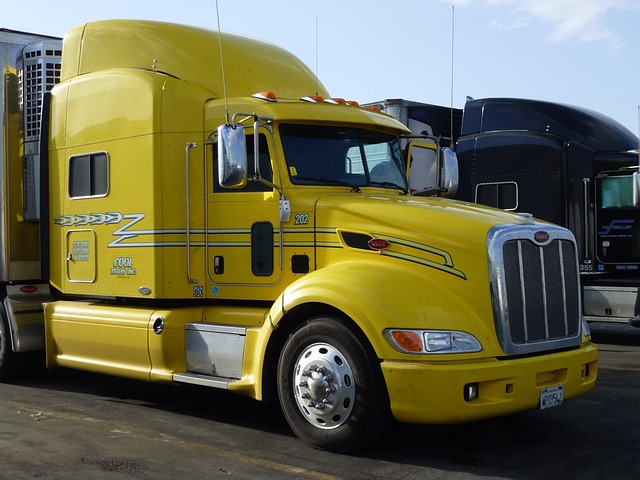
When registering your car in California, one crucial step that often goes overlooked is VIN (Vehicle Identification Number) verification. This unique 17-character code is like a fingerprint for your vehicle, providing critical information about its make, model, year, and production location. It’s essential to ensure the accuracy of this data during the registration process.
VIN verification serves as a vital check against theft and ensures you’re purchasing or registering a legitimate vehicle. With the help of mobile vin verification services or even a simple online checker, you can easily cross-reference the provided VIN with reliable databases. This quick step can save you from potential legal issues, protect your investment, and ensure a smooth registration process in California.
Step-by-Step Guide to Registering Your Vehicle in CA
Registering a car in California involves several steps to ensure your vehicle is legally compliant and roadworthy. Here’s a step-by-step guide to make the process smooth and stress-free. First, gather all necessary documents, including your driver’s license, proof of insurance, and the Certificate of Title (if applicable). Next, visit the California Department of Motor Vehicles (DMV) website to determine the specific fees associated with registration based on your vehicle type and age.
Once you’ve gathered everything, schedule a DMV appointment or use their online services for faster processing. During the appointment, a DMV representative will verify your identity and inspect your vehicle, including performing a VIN verification using a mobile vin inspection tool to check the vehicle’s history and ensure it meets safety standards. If all documents are in order and the car passes the inspection, you’ll receive your registration certificate along with a license plate, allowing you to hit the road legally.
After Registration: Important Considerations and Next Steps

After successfully registering your car in California, there are several important considerations and next steps to ensure a smooth ownership experience. One crucial step is to obtain a Vehicle Identification Number (VIN) verification, which confirms the vehicle’s authenticity and history. This process involves checking the VIN against national databases to uncover any potential issues, accidents, or outstanding loans associated with the car.
In California, you can facilitate this through a mobile vin inspection or mobile vin verifier service, making it more convenient than ever. These services allow you to verify your vehicle’s history from the comfort of your home or even before finalizing the purchase. By taking these proactive measures, new car owners in California can gain peace of mind and ensure they’re making an informed decision when purchasing a vehicle.
Registering a car in California involves understanding the process, gathering essential documents, and ensuring proper VIN verification. By following the step-by-step guide provided, you can navigate the registration process smoothly. Remember that accurate and complete documentation is key, including proof of ownership, identification, and payment for fees. Once registered, be sure to maintain your vehicle’s records and stay informed about California’s ongoing requirements, especially regarding VIN verification, for a seamless driving experience.