

Looking to register your car in California? This comprehensive guide will walk you through the process, from understanding eligibility and gathering documents to scheduling and completing the mandatory DMV VIN verification. Learn how to efficiently register your vehicle online or in-person, and obtain your registration papers and license plate. Discover essential steps to ensure a smooth experience with California’s Department of Motor Vehicles (DMV) VIN verification.
- Understand Eligibility and Requirements
- Prepare Necessary Documents
- Schedule and Complete DMV Vin Verification
- Register Your Vehicle Online or In-Person
- Obtain Your Registration Documents and License Plate
Understand Eligibility and Requirements

Before registering your car in California, it’s crucial to understand the eligibility and requirements for the process. To begin with, your vehicle must meet certain standards set by the state, including compliance with emission regulations and safety features. One key step is ensuring a successful DMV VIN verification, where the Department of Motor Vehicles (DMV) checks the vehicle identification number (VIN) to verify that it matches the data in their records. This process is made easier with services like mobile vin inspection or using a mobile vin verifier, which can expedite the initial check and documentation steps.
Additionally, you’ll need to have all necessary documents in order, such as proof of ownership, current registration (if applicable), and valid identification. The requirements might vary slightly depending on whether you’re registering a new or used car, so it’s essential to check with the DMV for specific guidelines. This ensures a smooth transition during the registration process, allowing you to hit the roads legally and confidently in no time.
Prepare Necessary Documents
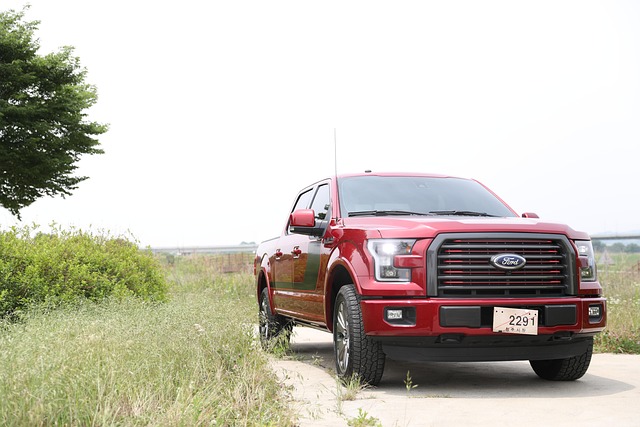
Before you start the registration process, it’s crucial to gather all the essential documents for your vehicle. In California, this typically includes proof of ownership, a valid driver’s license, and current auto insurance. Additionally, you’ll need to undergo a DMV VIN verification, ensuring that the vehicle identification number (VIN) is accurate and matches the details on record. This process can often be completed online or through a mobile vin inspection, making it more convenient for California residents.
For a seamless registration experience, create a checklist of these requirements. Remember, having accurate and up-to-date information is key to avoiding delays. The mobile vin inspection option not only simplifies the verification step but also allows you to address any potential issues early on in the registration journey.
Schedule and Complete DMV Vin Verification

To register your car in California, completing the DMV VIN (Vehicle Identification Number) verification is a crucial step. You’ll need to schedule and bring your vehicle for an inspection at a designated DMV location or, conveniently, opt for a mobile vin inspection service. This process ensures that your car meets all safety and emissions standards required by the state.
During the vin inspection, a DMV representative will physically examine your vehicle to verify its identity using the unique VIN number. They’ll check crucial components like the engine, transmission, brakes, lights, and other safety systems. For added ease, some services offer mobile vin verification where an inspector comes to you, saving time and effort. Once passed, you’ll receive a certificate that confirms your car’s integrity, enabling you to proceed with the registration process.
Register Your Vehicle Online or In-Person
You have two options when registering your vehicle in California: do it online or in-person at a DMV office. If you choose to register online, you’ll first need to complete a Vehicle Registration Application and provide your car’s Vehicle Identification Number (VIN) for DMV vin verification. A mobile vin inspection or using a vin verifier can help ensure the VIN is accurate before proceeding. Once verified, upload required documents such as proof of insurance and vehicle ownership.
For an in-person registration, visit a local DMV office with essential paperwork including your driver’s license, proof of insurance, and payment for registration fees. A staff member will perform a vin inspection to confirm the vehicle details and ensure all documentation is in order. This process may take longer than online registration but offers immediate feedback and the opportunity to resolve any issues directly.
Obtain Your Registration Documents and License Plate
After completing your vehicle’s purchase, it’s time to obtain the necessary registration documents and license plates. In California, this involves a crucial step known as DMV VIN verification, where you’ll need to validate the vehicle’s unique identifier—the Vehicle Identification Number (VIN). One efficient way to facilitate this process is by using a mobile VIN verifier or conducting a VIN inspection, which allows for quick and convenient access to your car’s history.
Once verified, head to your local California Department of Motor Vehicles (DMV) office with the required documents, including proof of purchase, insurance, and identification. You’ll also receive your license plates during this visit, marking a significant step towards full car registration.
Registering a car in California involves several straightforward steps, from ensuring eligibility to obtaining your license plate. By preparing the necessary documents, completing the DMV VIN verification process, and choosing between online or in-person registration, you can efficiently get your vehicle on California’s roads. Remember to keep your registration and license plate documents secure for future reference and routine updates.