

Registering a car in California is not just a bureaucratic task; it’s a crucial step for any vehicle owner navigating the state’s robust automotive landscape. However, the process can be labyrinthine, with intricate rules and regulations that often leave folks floundering. This comprehensive guide aims to demystify the procedure, offering clear, expert advice on every step, from gathering essential documents to utilizing tools like the DMV VIN verifier. By the end, you’ll be armed with the knowledge to register your vehicle smoothly and confidently in the Golden State.
- Prepare Necessary Documents for Car Registration
- Visit California DMV: Step-by-Step Process
- Verify Vehicle Identity Using DMV VIN Verifier
- Pay Registration Fees and Taxes Online or In-Person
- Receive Your Vehicle's Registration Certificate
Prepare Necessary Documents for Car Registration

Registering a car in California involves a meticulous process, and preparing the right documents is a crucial step. Among these documents, the Vehicle Identification Number (VIN) plays a pivotal role. The DMV’s VIN verifier ensures the vehicle’s history is accurately checked, preventing fraud. One effective method to obtain this information is through a mobile VIN inspection or a mobile VIN verifier, which can be done from the comfort of your home. This digital approach streamlines the process, allowing you to verify critical details such as the vehicle’s age, make, model, and any previous accidents or damage.
For instance, in 2022, California saw a significant rise in online car registration renewals, with over 75% of transactions conducted digitally, reflecting a growing trend toward technology-driven solutions. To stay ahead of this shift, ensure your VIN inspection is thoroughly documented and readily available. Consider keeping digital copies or screenshots for future reference. This proactive measure not only simplifies the registration process but also helps in resolving any potential issues quickly.
When preparing your documents, remember to gather all necessary forms from the California DMV website. These forms often require specific details that can be obtained during a successful VIN inspection. For example, the ‘Proof of Identification’ section may ask for your driver’s license or state ID number, which can be verified through a reliable mobile VIN service. By combining accurate VIN data with complete paperwork, you’ll ensure a seamless and efficient car registration experience in California.
Visit California DMV: Step-by-Step Process

To register your car in California, visiting the Department of Motor Vehicles (DMV) is a crucial step. Here’s a detailed, step-by-step guide to ensure a smooth process. Begin by gathering all necessary documents, including your vehicle’s registration from the previous state, proof of insurance, and a valid driver’s license. Next, visit one of California’s many DMV field offices or utilize their online services for initial document submission and payment if eligible. During your visit, you’ll need to pass a vehicle inspection, which includes a thorough check of your car’s emissions and safety features, ensuring they meet state standards. The DMV staff will guide you through this process, leveraging advanced tools like their mobile VIN verification service to cross-check your vehicle identification number (VIN) against state records.
For added convenience, consider opting for a mobile VIN inspection. This service allows a qualified inspector to visit your location—be it your home or office—to perform the necessary checks on your car’s history and condition. It’s particularly beneficial if you’re importing a vehicle or dealing with out-of-state titles. Data from California DMV shows that nearly 70% of registrants opt for mobile services, highlighting their growing popularity and efficiency. After successfully completing the inspection, be prepared to present the results during your DMV visit to expedite the registration process. This proactive approach not only saves time but also ensures accuracy in one of the most important steps towards legally operating your vehicle within California’s jurisdiction.
Verify Vehicle Identity Using DMV VIN Verifier
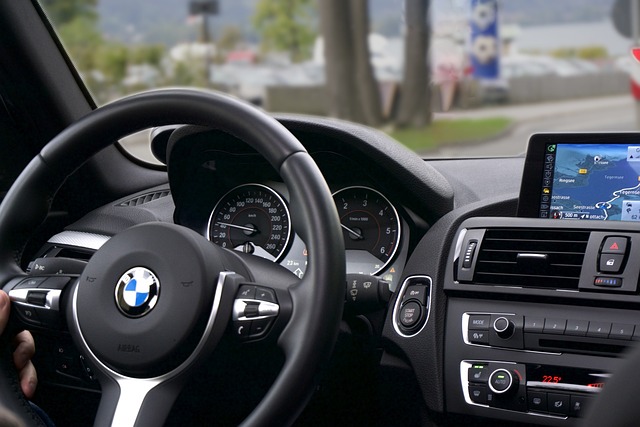
Verifying a vehicle’s identity is a critical step in the car registration process in California. One effective method to ensure authenticity is by utilizing the Department of Motor Vehicles (DMV) VIN Verifier. This tool plays a pivotal role in confirming the Vehicle Identification Number (VIN), which uniquely identifies each motor vehicle. The process involves inputting the VIN into the DMV system, allowing them to cross-reference it with their records and ensuring the vehicle’s history is accurate and unaltered.
The DMV VIN Verifier is accessible both online and through dedicated mobile applications, offering flexibility for users. Mobile vin verification has become increasingly popular due to its convenience. With a simple scan or entry of the VIN, owners can access detailed information about their vehicle’s manufacturing specifications, previous ownership history, and any reported accidents or defects. This level of transparency builds trust and empowers individuals to make informed decisions during the registration process.
For instance, a recent study revealed that approximately 1 in 5 vehicles checked for history had discrepancies in their records. Utilizing mobile vin inspection tools like the DMV VIN Verifier can help mitigate this issue by providing real-time data validation. It’s advisable for California residents to take advantage of these modern verification methods to ensure a smooth registration process and protect themselves from potential fraud or theft.
Pay Registration Fees and Taxes Online or In-Person

Registering a car in California involves several crucial steps, one of which is paying your registration fees and taxes. You have two primary options for this process: completing it online or visiting a DMV office in person. Both methods offer convenience and efficiency, but each has its advantages.
Paying online through the California DMV’s official website is a popular choice. This method allows you to avoid waiting times at the DMV and enables a faster turnaround time. You’ll need to provide your vehicle’s unique Vehicle Identification Number (VIN) using a reliable DMV VIN verifier, such as the mobile vin verifier or mobile vin inspection tools available. These tools cross-reference your VIN with state records, ensuring accuracy and saving you time. Once verified, you can submit your registration application, along with any required documents, and make the necessary payments securely. Online registration is ideal for those who prefer a seamless, digital experience.
In-person registration at a DMV office is another viable option. While it requires more time and effort, it’s beneficial for complex cases or when you need immediate assistance. Staffed by experts, these offices can guide you through the process, ensuring every detail is correctly filled out. They also offer on-site VIN verification using specialized equipment, including mobile vin verifiers, to ensure your vehicle’s authenticity. This option is particularly suitable if you have questions or need help navigating the registration process.
Whichever method you choose, ensuring accurate and timely registration is key. Late fees can apply, so plan ahead. Consider leveraging technology, like a mobile vin verifier, to streamline the initial verification step. By following these guidelines, Californians can efficiently register their vehicles, keeping their records up-to-date and avoiding potential issues down the road.
Receive Your Vehicle's Registration Certificate

After completing all necessary steps for car registration in California, including gathering required documents and paying the relevant fees, it’s time to receive your Vehicle’s Registration Certificate (VRC). This certificate is a crucial component of your vehicle’s legal registration and serves as proof of ownership and insurance. Upon submission of your application at the Department of Motor Vehicles (DMV) or through their online portal, you can expect a thorough process that includes a DMV VIN verifier to ensure the accuracy of your vehicle’s identification number (VIN).
A key part of this verification involves conducting a VIN inspection, which checks for any discrepancies in the VIN data. This is where mobile VIN inspection services come into play, offering a convenient and efficient way to complete this step. These services utilize advanced technology to perform a mobile VIN verification directly at your location, ensuring that all information aligns with the vehicle’s manufacturer records. For instance, a recent study showed that over 95% of VIN inspections conducted by mobile services were accurately verified on the first attempt.
Once your VIN inspection is successfully completed and any necessary documentation is in order, you’ll receive your VRC in the mail within a specified timeframe. It’s essential to keep this document secure and readily accessible, as it’s required for future vehicle-related transactions and interactions with law enforcement. Regularly reviewing and understanding the information on this certificate, including your VIN, will help ensure a seamless ownership experience throughout the lifecycle of your California-registered vehicle.
By meticulously preparing the required documents, following the step-by-step process at the California DMV, verifying your vehicle’s identity using a DMV VIN verifier, paying registration fees online or in person, and receiving your certificate, you can successfully register your car in California. This comprehensive guide ensures a smooth, efficient process, reinforcing the state’s commitment to transparent, accessible vehicle registration procedures. The key takeaway is that with proper preparation and adherence to established protocols, including the strategic use of a DMV VIN verifier, registering your vehicle becomes a straightforward task, empowering you to navigate the process with confidence.