

Registering a car in California is a vital process that ensures vehicle ownership rights, facilitates legal operation on public roads, and provides crucial identification for tax and insurance purposes. However, navigating the procedures can be complex due to stringent state regulations and varying local requirements. This article serves as your comprehensive guide, offering step-by-step instructions and emphasizing the significance of Vehicle Identification Number (VIN) verification throughout the process. By following these guidelines, you’ll gain the expertise needed to register your vehicle seamlessly and with confidence in the Golden State.
- Prepare Necessary Documents for Car Registration
- Understand California Vehicle Registration Requirements
- VIN Verification: How to Check and Verify Your Vehicle's Identity
- Visit a DMV or Use Online Services for Registration
- Complete Inspection and Pay Registration Fees
Prepare Necessary Documents for Car Registration

Before you begin the car registration process in California, it’s crucial to prepare all necessary documents. Central to this preparation is the Vehicle Identification Number (VIN) verification, a critical step that ensures the vehicle’s authenticity and history. This process involves checking the VIN against industry databases to confirm its integrity and identify any potential issues or red flags. One effective method for VIN verification is through mobile vin verification services, which allow you to conduct an inspection conveniently at your location.
For instance, many mobile vin verifiers use advanced technology to cross-reference the VIN with global data, providing instant results. This can be particularly useful in California, where vehicles must meet specific emission and safety standards. By utilizing a mobile vin verifier, you can ensure that your car’s history is clean and free from any discrepancies before submitting your registration documents. Keep in mind that some services even offer additional benefits, such as reporting potential odometer rollbacks or previous collision damage, which can be invaluable during the registration process.
In addition to VIN verification, gather essential documents like the title certificate (or proof of purchase), current vehicle registration (if applicable from another state), and a valid driver’s license. It’s also wise to check with your local California Department of Motor Vehicles (DMV) office for any additional requirements or specific forms needed for registration. This proactive approach will ensure a smooth process, minimizing delays or complications.
Understand California Vehicle Registration Requirements

Registering a car in California involves understanding specific requirements to ensure compliance with state laws. One crucial aspect is the verification of the Vehicle Identification Number (VIN), which serves as a unique fingerprint for every vehicle. This process ensures that the car’s history is accurately represented, helping to prevent fraud and ensuring safety standards are met. In California, VIN verification is typically done through a certified mobile vin inspection or verifier, allowing convenience and efficiency in the registration process.
A key step in the registration procedure is confirming the vehicle’s ownership and legitimacy. This involves cross-referencing the provided information with state databases to ensure there are no outstanding issues or liens on the car. Furthermore, California requires that all vehicles meet specific safety and emission standards before registration. These standards are designed to protect public health and safety by ensuring vehicles are in good working condition and compliant with modern environmental regulations.
For instance, a mobile vin verifier can play a pivotal role in this process by providing on-site VIN verification during the registration. This service streamlines the paperwork and reduces potential errors or delays associated with traditional inspection methods. With a certified mobile vin inspector, California residents can conveniently register their vehicles, ensuring a smooth transition from ownership to official registration without compromising on accuracy or security.
VIN Verification: How to Check and Verify Your Vehicle's Identity
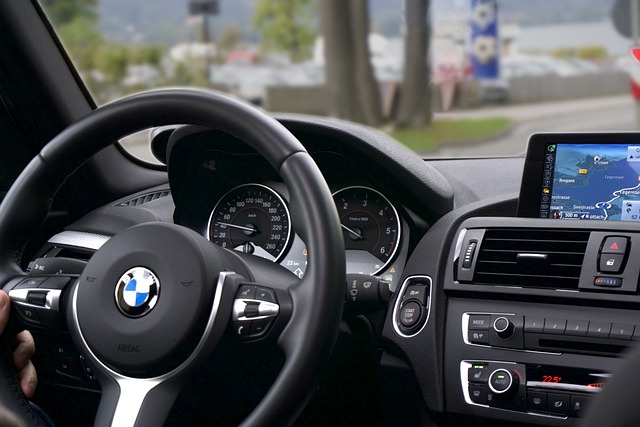
Verifying a vehicle’s identity is a crucial step in the car registration process in California. The Vehicle Identification Number (VIN) acts as a unique fingerprint for your car, providing critical information about its make, model, year, and specifications. Ensuring the VIN’s accuracy is essential to prevent fraud and ensure the proper registration of your vehicle. This involves a meticulous process known as VIN verification, which serves as a cornerstone in California’s automotive registration system.
To start the VIN verification process, you’ll need to access your vehicle’s VIN. This number is typically located on the vehicle’s driver-side door frame or in the engine bay. It consists of 17 characters, including letters and numbers, arranged in a specific sequence. Once you have the VIN, the next step is to cross-reference it with official databases using a mobile VIN inspection tool. These tools, often provided by mobile VIN verifiers or verification services, allow users to input the VIN and receive detailed information about the vehicle’s history and specifications. For instance, in California, the Department of Motor Vehicles (DMV) offers online services that facilitate VIN checks, ensuring the vehicle’s authenticity and identifying any potential red flags.
A key advantage of employing mobile VIN inspection tools is their convenience and accessibility. These digital solutions enable owners to verify their vehicles’ identities from virtually anywhere, eliminating the need for lengthy visits to DMV offices or specialized repair shops. Moreover, these verifiers often provide real-time data, ensuring that you have the most up-to-date information available. By leveraging mobile VIN verification services, California residents can streamline the registration process, saving time and effort while maintaining the integrity of their vehicle’s record.
Visit a DMV or Use Online Services for Registration

Registering a car in California involves several steps, but visiting a DMV or utilizing online services can streamline the process. When embarking on this task, it’s crucial to ensure accurate information and proper documentation. One of the initial and critical steps is Vehicle Identification Number (VIN) verification, which establishes the vehicle’s authenticity and history. This process ensures that the car you’re registering is not stolen or a clone, a concern that has been echoed by California’s Department of Motor Vehicles (DMV).
For many, visiting a local DMV office might seem like a traditional yet cumbersome approach. However, it offers the advantage of in-person VIN verification, ensuring accuracy and immediate issue resolution. Alternatively, online services provide a convenient option where a mobile VIN verifier or inspection can be conducted remotely. This method is particularly appealing for those with busy schedules or who prefer digital solutions. According to recent data, over 50% of California residents opt for online vehicle registration due to its efficiency and accessibility.
Utilizing a mobile VIN verification service can simplify the process further. These tools allow you to input your car’s VIN on a dedicated app or website, which then cross-references the data with various databases to provide a comprehensive report. This digital approach not only saves time but also offers peace of mind, knowing that every aspect of your vehicle is thoroughly inspected virtually 1-3 times, as recommended by industry experts, before official registration. Ensure that the chosen service is reliable and approved by the DMV to avoid any potential issues later in the process.
Complete Inspection and Pay Registration Fees

To register your car in California, you must complete a thorough inspection process, which includes verifying the Vehicle Identification Number (VIN) to ensure its authenticity and history. This critical step involves checking for any potential issues or discrepancies that could impact vehicle safety and compliance with state regulations. One efficient method for VIN verification is through mobile vin verification services, allowing you to conduct an inspection remotely. These services employ specialized tools and expertise to cross-reference the VIN data against vast databases, providing a comprehensive report on the vehicle’s past, including ownership history, accident records, and reported damages.
After confirming the VIN integrity, you’ll need to navigate the registration process, which entails several key steps. First, gather essential documents such as proof of identity, current vehicle registration (if out-of-state), and proof of insurance. Then, visit your local California Department of Motor Vehicles (DMV) office or utilize their online services to initiate the registration. You’ll be required to pay various fees, including a base registration fee, title transfer charges (if applicable), and possibly additional costs for specific service options. Ensure you understand the fee breakdown to avoid unexpected expenses.
During registration, your vehicle will undergo an inspection to meet safety standards. This inspection goes beyond merely checking the VIN; it involves assessing critical components like brakes, lighting systems, and emissions controls. A passing grade ensures your car complies with California’s stringent safety regulations. If any issues are identified during this process, they must be remedied before final registration can be approved. Remember, timely attention to these requirements guarantees a seamless transition for your vehicle into California’s automotive landscape.
By meticulously preparing your documents, understanding California’s specific registration requirements, and undergoing crucial VIN verification, you can seamlessly navigate the car registration process. Whether visiting a DMV or utilizing online services, ensure your vehicle passes inspection and pay the required fees to finalize the registration. This systematic approach, as outlined in this comprehensive guide, empowers you to register your car in California with confidence and efficiency, ensuring a smooth ownership experience from start to finish.