

Registering a car in California is a vital process for any new or existing vehicle owner, ensuring legal compliance and ownership protection. However, navigating the bureaucratic labyrinth can be daunting, especially with evolving regulations and stringent requirements. This comprehensive guide aims to demystify the car registration process, offering step-by-step insights tailored to California’s unique framework. From gathering essential documents to highlighting the critical role of VIN verification in ensuring authenticity, we empower you with the knowledge to successfully register your vehicle.
- Prepare Necessary Documents for Car Registration
- Understand California's Vehicle Identification Number (VIN) Verification Process
- Gather Vehicle Information for Accurate Registration
- Visit a California Department of Motor Vehicles (DMV) Office or Use Online Services
- Complete the Registration and Inspection Process with VIN Verification
Prepare Necessary Documents for Car Registration

Registering a car in California involves several steps, and preparing the right documents is crucial to ensuring a smooth process. One of the essential initial tasks is gathering all necessary paperwork, which includes both traditional documents and digital verifications. The vehicle identification number (VIN) plays a central role in this process, as it serves as a unique fingerprint for your car. It’s recommended to obtain a VIN inspection early on; consider using a mobile vin verifier for convenience—this service allows you to verify the VIN digitally, ensuring its accuracy.
Key documents to prepare include the title certificate from the previous owner (if applicable), proof of insurance, and a completed California Vehicle Registration Application form. Additionally, you’ll need your driver’s license or state-issued ID card. It’s worth noting that if you’re importing a vehicle or it’s a new purchase, certain additional forms may be required. For instance, when dealing with out-of-state purchases, a ‘Certificate of Origin’ might be needed, which can often be obtained from the manufacturer or authorized dealer.
Digital tools like mobile vin inspection apps have made VIN verification more accessible and efficient. These services not only ensure the vehicle’s authenticity but also provide valuable information about its history, including accident records and odometer readings. By combining traditional documentation with modern digital solutions, you can navigate California’s car registration process with confidence, ensuring your vehicle is legally registered and safe to hit the road.
Understand California's Vehicle Identification Number (VIN) Verification Process

California’s Vehicle Identification Number (VIN) verification process is a crucial step in registering your car. It involves a meticulous examination of the VIN to ensure its authenticity and completeness, which is essential for issuing registration and license plate permits. This procedure has become increasingly digital, with many counties now offering online platforms and mobile vin inspection services, such as a mobile vin verifier, to streamline the process.
For instance, in Los Angeles County, you can utilize their online VIN verification tool, which checks the vehicle’s history against state databases, including potential brands of fraud or unrepaired structural issues. This digital approach not only enhances accuracy but also saves time for both vehicle owners and county officials. However, traditional methods still hold value, especially for older vehicles or those with complex histories, where a mobile vin inspection by a professional verifier might be preferred. These verifiers can conduct on-site checks, utilizing specialized equipment to scan and verify the VIN against manufacturer records.
During a typical VIN verification, several key aspects are evaluated: vehicle make and model, year of manufacture, engine specifications, and chassis details. Any discrepancies found during this process could indicate potential issues with the car’s history or authenticity, leading to delays or rejections in registration. To ensure a smooth process, it’s advisable for owners to have their VIN recorded accurately from the outset, maintaining complete and correct documentation throughout ownership transitions.
Gather Vehicle Information for Accurate Registration

Before registering your car in California, accurate information about your vehicle is crucial. This includes the Vehicle Identification Number (VIN), which serves as a unique fingerprint for your car. Proper VIN verification ensures that the data associated with your vehicle matches the manufacturer’s records, enhancing the registration process and preventing potential issues later. Start by locating the VIN on the vehicle itself—typically found on the driver-side door frame or in the engine bay. It’s a 17-character code that includes letters and numbers, each holding a specific meaning.
For instance, the first three characters represent the manufacturer, while subsequent digits provide details about the model year, production plant, and other specifications. Some vehicles may also have their VIN stamped on the dashboard or in the glove compartment. Once you’ve gathered this critical information, conduct a VIN inspection to ensure its validity. Mobile VIN verification services are now widely available, allowing for quick and convenient checks using your smartphone or tablet. These tools cross-reference your VIN against national databases, providing instant validation and peace of mind.
By utilizing mobile VIN inspection apps, you can save time, avoid potential mistakes during registration, and ensure that your vehicle’s history is accurately represented. This meticulous approach guarantees a smoother car registration process in California, ensuring your vehicle’s data remains precise and reliable.
Visit a California Department of Motor Vehicles (DMV) Office or Use Online Services
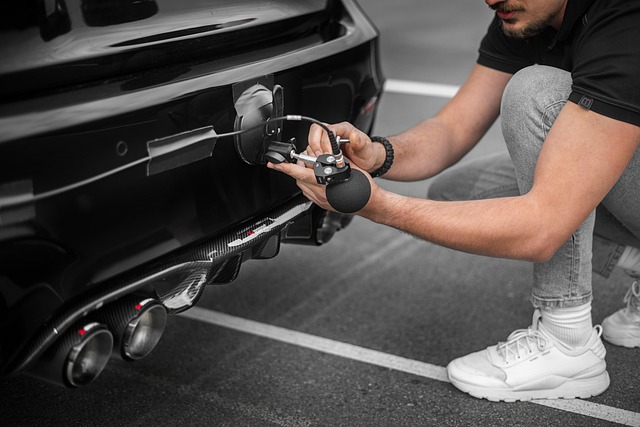
Registering a car in California involves several steps, and one crucial aspect is ensuring accurate and legitimate vehicle identification number (VIN) verification. The California Department of Motor Vehicles (DMV) offers both in-person and online services to facilitate this process. Visiting a local DMV office or utilizing their digital platforms allows you to complete your registration efficiently while maintaining the integrity of the VIN data.
When opting for an in-person visit, bringing your vehicle and essential documents is necessary. A DMV representative will conduct a visual inspection and perform a mobile VIN verification using specialized equipment to cross-check the VIN with the vehicle’s components. This step ensures that the car matches its listed specifications, preventing fraud or altered vehicles from entering the market. Online registration also requires a VIN inspection, often done by submitting photos of the VIN and vehicle details for digital verification. This method is particularly convenient for those who prefer remote transactions and can be faster than visiting an office, especially during peak hours.
For instance, in 2022, California’s DMV reported processing over 12 million vehicle registration transactions, emphasizing the significance of streamlined, secure procedures. Utilizing mobile VIN inspection services further enhances this process by enabling quicker, more efficient verifications, particularly for dealers and private sellers looking to register multiple vehicles simultaneously. This modern approach ensures that every car on California’s roads maintains a reliable and accurate record from the moment of registration.
Complete the Registration and Inspection Process with VIN Verification

Registering a car in California involves several crucial steps, with VIN verification as a key process. By preparing the necessary documents, understanding the state’s verification method, gathering accurate vehicle information, and either visiting a DMV office or utilizing online services, you can ensure a smooth registration experience. Completing the registration and inspection process, including VIN verification, is essential to legally operate your vehicle in California. This authoritative guide provides a clear roadmap, empowering you with the knowledge to navigate the car registration process confidently and efficiently.