

Registering a car in California is a crucial step for any new owner, ensuring legal compliance and access to public roads. However, navigating the process can be daunting, with many details to manage and potential pitfalls to avoid. This article serves as your authoritative guide, walking you through each step of registering your vehicle, from gathering necessary documents to understanding fees and inspections. We’ll also delve into the critical aspect of DMV VIN verification, ensuring your car’s history is accurately checked. By following these expert tips, you’ll confidently navigate this essential process.
- Prepare Required Documents for Car Registration
- Visit the California DMV: Step-by-Step Guide
- Understand Fees and Payment Methods Accepted
- Perform DMV VIN Verification for Accurate Records
- Complete and Submit the Registration Application Form
Prepare Required Documents for Car Registration

Registering a car in California involves gathering and preparing several crucial documents for a successful DMV (Department of Motor Vehicles) vin verification process. Among these, accurate and up-to-date information on your vehicle’s identification number (VIN) is paramount. The VIN serves as a unique fingerprint for your car, critical during the registration and title transfer process.
You’ll need to secure official documents such as the vehicle title, proof of insurance, and current registration (if transferring from another state). Additionally, a completed Application Form for Title and Registration (DMV Form reg-102) is essential. Notably, the DMV now offers flexible options like mobile vin verification and inspection services, making it easier to initiate the registration process. For instance, many county clerk’s offices across California provide mobile vin checkers, allowing you to verify your car’s VIN digitally from the comfort of your home or garage.
Some common scenarios may require additional documents. If you’re registering a newly purchased vehicle, a bill of sale and manufacturer’s certificate of origin (MCO) might be needed. For imported vehicles, an Import Declaration and custom paperwork could apply. Always ensure your documents are legitimate and current to expedite the registration process at your local California DMV office or through approved mobile vin verification services.
Visit the California DMV: Step-by-Step Guide

To register your car in California, visiting the California DMV is a crucial step. Here’s a detailed, step-by-step guide to ensure a smooth process. First, gather all necessary documents such as proof of ownership, vehicle identification number (VIN) inspection reports from a mobile vin verifier, and any applicable fees. It’s recommended to schedule an appointment ahead of time to avoid long waiting times.
Upon arrival at the DMV, locate the specific counter for vehicle registration. An agent will guide you through the process, which begins with verifying your VIN using a mobile vin verification service or on-site inspection. Ensure that your vehicle meets all safety and emissions standards before proceeding. Next, fill out the required forms accurately, providing detailed information about your car and personal details. The DMV may require additional documents depending on your specific circumstances, such as proof of insurance or identification.
After completing the paperwork, submit it along with the necessary fees. The DMV will then process your application, which includes running a background check and verifying your vehicle’s history using the provided VIN. Once approved, you’ll receive your registration documents, including a license plate and registration sticker. It’s important to install these immediately on your vehicle for legal compliance. Throughout this process, be prepared with clear answers to any questions and bring all required documentation to expedite the DMV vin verification process.
Understand Fees and Payment Methods Accepted

Registering a car in California involves several steps, but understanding the fee structure and payment options is crucial for a smooth process. The California Department of Motor Vehicles (DMV) charges fees for vehicle registration, which vary based on factors like vehicle type, age, and emissions standards. One key step in the process is the DMV VIN verification, ensuring the Vehicle Identification Number (VIN) is valid and the vehicle meets safety standards. This inspection can be conducted at a DMV office or, conveniently, through mobile VIN verification services.
For instance, for a standard car registration, you might expect to pay around $50-$100, depending on your location and vehicle age. Additionally, there may be emissions testing fees if your vehicle was manufactured before 2004. Mobile VIN inspection services offer flexibility, allowing you to complete the initial verification step from the comfort of your home or workplace. These services utilize advanced technology to cross-reference your VIN with state records, ensuring accuracy and saving you time.
When paying for registration, the DMV accepts various methods, including cash, credit cards, and debit cards. Some third-party registration services may also offer online payment options through secure portals. It’s advisable to check the official DMV website or contact a local office for up-to-date fee structures and accepted payment types, as regulations can change over time. Properly understanding these aspects ensures you’re prepared when initiating the car registration process in California.
Perform DMV VIN Verification for Accurate Records
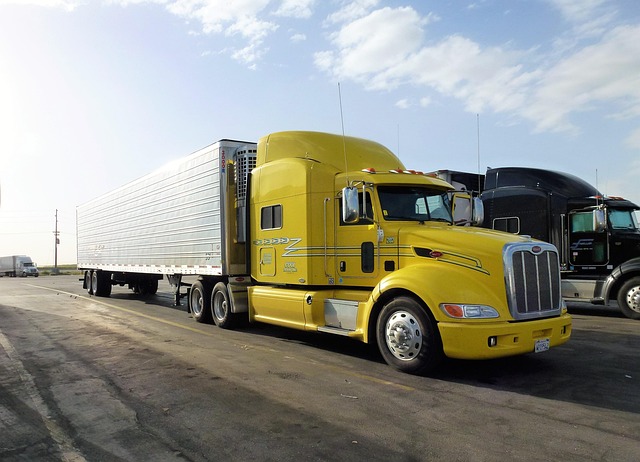
To register your car in California, accurate record-keeping is paramount, starting with proper DMV VIN verification. Every vehicle has a unique Vehicle Identification Number (VIN), which serves as its fingerprint. In California, the Department of Motor Vehicles (DMV) relies on this 17-character code for tracking ownership, registration history, and safety recalls—making accurate VIN verification crucial. This process ensures that your car’s details match those in the DMV database, minimizing errors and potential delays.
A key step involves utilizing a mobile vin inspection or engaging the services of a mobile vin verifier. These tools enable you to capture and transmit your car’s VIN digitally, allowing for instant validation against DMV records. For instance, many licensed mobile vin verifiers can cross-reference the provided VIN with the manufacturer’s data, checking for any outstanding recalls, salvage history, or title issues that could affect registration. This digital approach streamlines the process, offering convenience and peace of mind.
Moreover, scheduling regular (at least once every 1-3 years) mobile vin inspections can help maintain accurate records over time. As vehicle details can change hands during sales or repairs, periodic verifications ensure your information remains up-to-date with the DMV. This proactive measure not only facilitates smoother registration processes but also helps in avoiding potential legal issues related to incorrect vehicle history reporting. Staying current with these checks is a testament to responsible car ownership and ensures your California vehicle registration remains error-free.
Complete and Submit the Registration Application Form

To register your car in California, you’ll need to complete a Registration Application Form, which is a crucial step in the process. This form requires accurate and detailed information about your vehicle, including its unique Vehicle Identification Number (VIN). The California Department of Motor Vehicles (DMV) uses this VIN for verification purposes, ensuring that the car is legitimate and not stolen. It’s essential to ensure every detail is correct; otherwise, it could delay or even prevent registration.
When filling out the form, double-check the VIN provided by your vehicle’s manufacturer. This number can be found on the vehicle’s weight certificate|certificate|weight of title, insurance documents, or engine/chassis sticker. If you’re dealing with a used car, a mobile VIN verifier or inspector can help ensure accuracy. These services allow you to conduct a quick and convenient VIN inspection right from your location. For instance, using a mobile verifier, you can have the VIN verified in minutes through an online platform or app, saving you time and effort compared to traditional methods.
Once completed, submit the form along with required documents, fees, and proof of insurance to your local DMV office. Remember, the process might vary slightly depending on whether you’re registering a new or used car. Always consult the official DMV website for the most up-to-date information tailored to your specific situation. Proper completion and submission of the Registration Application Form, including accurate VIN verification using a mobile inspector if necessary, will streamline your car registration experience in California.
Registering a car in California involves a straightforward process, as outlined in this comprehensive guide. By preparing essential documents, visiting the DMV, understanding fees, and undergoing crucial DMV VIN verification, you ensure accurate record-keeping. Completing the registration application form marks the final step toward official vehicle ownership. The key takeaways include the importance of proper documentation, fee awareness, and the integrity of VIN data. Moving forward, always keep your registration documents up to date, as accuracy is paramount when interacting with California’s DMV.