

Registering a car in California is not just a bureaucratic formality; it’s a critical step ensuring your vehicle’s legal status on the state’s roads. However, navigating the process can be daunting, given the stringent regulations and various requirements. This comprehensive guide aims to demystify the procedure, equipping you with the knowledge to smoothly navigate through every step, from gathering essential documents to undergoing the crucial DMV VIN verification. By the end, you’ll possess the expertise to register your vehicle with confidence and ease.
- Prepare Necessary Documents for Car Registration
- Visit California DMV: Step-by-Step Guide
- Understand Vehicle Identification Number (VIN) Verification
- Pay Registration Fees and Tax Online or In-Person
- Register Your Car and Obtain License Plate in CA
Prepare Necessary Documents for Car Registration

To register a car in California, you’ll need to gather several crucial documents, ensuring a smooth process at the Department of Motor Vehicles (DMV). One critical step involves proper preparation for your vehicle’s DMV VIN verification, which is essential for accuracy and timely registration. Begin by obtaining your vehicle’s Vehicle Identification Number (VIN) from the vehicle’s registration or title document if available. A mobile VIN verifier can be a convenient tool to complete this task, allowing you to conduct a thorough inspection remotely.
Additionally, prepare other critical documents like your driver’s license, proof of insurance, and current registration (if transferring ownership). If you’re registering a new car, gather purchase documents and manufacturer’s certification. For classic or restored vehicles, specific documentation might be required; consult the DMV guidelines for these cases. It’s advisable to check with your local DMV office for any additional forms needed, as requirements can vary.
When preparing for your DMV visit, consider using a mobile VIN inspection service to verify the vehicle’s history and identify any potential issues early on. This step ensures you’re well-prepared and can address any complications promptly. By having all necessary documents in order, you’ll be better equipped to navigate the registration process efficiently, avoiding delays or complications.
Visit California DMV: Step-by-Step Guide

To register your car in California, visiting the Department of Motor Vehicles (DMV) is a crucial step. Here’s a detailed, step-by-step guide to ensure the process is smooth and efficient. Begin by gathering all necessary documents, including your vehicle’s registration from the previous state, proof of insurance, proof of identity, and a valid driver’s license. It’s also essential to have your Vehicle Identification Number (VIN) ready, as DMV personnel may require it for verification purposes.
Upon arriving at the DMV, locate the specific counter for vehicle registration. A DMV representative will guide you through the process, which starts with verifying your VIN. This step is critical as it ensures the accuracy of your car’s information in their system. You can opt for a traditional vin inspection where you physically present your vehicle for verification or leverage modern alternatives like mobile vin verification using specialized apps or services. This flexibility allows for a more convenient experience, especially if you’re pressed for time.
After successful VIN verification, you’ll need to complete the registration application form. Provide detailed information about your vehicle, including make, model, year, and color. Accurate data entry is vital to avoid future issues with your car’s documentation. Once all forms are filled out, submit them along with the required fees. The DMV will process your application, and upon approval, you’ll receive your new California registration documents. Remember, accurate VIN data and meticulous record-keeping are cornerstones of this process, ensuring a seamless transition to registering your vehicle in the Golden State.
Understand Vehicle Identification Number (VIN) Verification
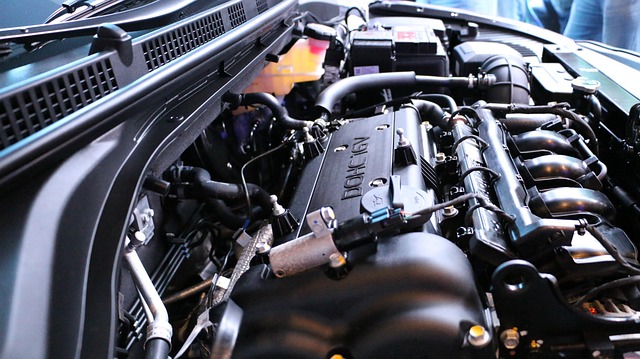
Registering a car in California involves several crucial steps, one of which is ensuring accurate Vehicle Identification Number (VIN) verification. The VIN is a unique code that identifies your vehicle, and its accuracy is paramount during the registration process. This verification step helps prevent fraud and ensures that both you and the DMV have reliable information about the car’s history. An essential tool in this process is mobile VIN inspection and verification services, which offer convenience and precision.
Mobile VIN verifiers, such as those provided by specialized companies, allow for on-site, real-time checks. These services utilize advanced technology to cross-reference the VIN against comprehensive databases, providing immediate results. For instance, a study showed that mobile VIN inspection services can reduce registration processing time by up to 25%, enhancing efficiency at DMV offices and saving customers valuable time. This modern approach to verification is particularly beneficial for those with busy schedules or limited mobility.
When conducting a DMV VIN verification, ensure the information matches across all records. This includes matching the make, model, year, and other specifications. A discrepancy in these details could lead to registration delays or even rejection. Always double-check the VIN against the vehicle’s title, registration documents, and any insurance paperwork. If you’re utilizing a mobile vin verification service, ensure they are reputable and certified to provide accurate and official results, making the process seamless and stress-free.
Pay Registration Fees and Tax Online or In-Person

Registering a car in California involves several crucial steps, one of which is paying the registration fees and taxes. This process can be completed either online or in-person at the Department of Motor Vehicles (DMV). For your convenience, the DMV offers various options, including a mobile vin inspection service that streamlines the initial verification process, ensuring a smoother experience.
When paying online, you’ll need to visit the official DMV website and locate the specific section for vehicle registration. Here, you’ll input your vehicle’s information, including its unique Vehicle Identification Number (VIN). This VIN is used to access detailed data about your car, such as its make, model, year, and historical ownership records, which are essential for accurate dmv vin verification. The online platform will then calculate the required fees based on factors like vehicle type, weight, and emissions standards. Some additional taxes and fees might apply depending on your location and vehicle details.
An alternative approach is to conduct a mobile vin inspection. A third-party service provider can visit you at your preferred location to perform a thorough VIN inspection. These mobile vin verifiers use specialized tools to cross-reference your car’s information, ensuring its authenticity and identifying any potential issues before registration. This option is particularly beneficial for those who prefer not to navigate the DMV or have limited mobility. The inspector will provide you with a report, which can be submitted along with your registration application at the DMV or during online payment processing.
It’s recommended to compare both methods based on your preferences and accessibility. Online registration offers convenience and speed, while in-person or mobile vin inspection provides an extra layer of assurance. Whichever route you choose, ensure that all documentation is up-to-date and accurate to avoid delays during the registration process.
Register Your Car and Obtain License Plate in CA

Registering a car in California involves several crucial steps to ensure legal compliance and safety on the roads. After acquiring your vehicle, the first task is to complete the DMV VIN verification process, which establishes ownership and ensures the car’s history aligns with its components. This verification is a critical step before you can register and obtain license plates for your new or used vehicle in California.
The process typically begins by gathering essential documents, including proof of purchase, identification, and any relevant maintenance records. Here, utilizing a mobile VIN verifier can streamline this initial phase. These apps allow you to input the Vehicle Identification Number (VIN) to access detailed information about the car’s history, including past owners, service records, and reported accidents, all while on the go. This digital approach enhances efficiency compared to traditional methods of visiting a DMV office for manual inspections.
Once your vehicle passes the initial inspection, you can proceed with the registration at any California DMV office. Bring your verified VIN report, along with required documents like a valid driver’s license, proof of insurance, and payment for fees. Upon approval, you’ll receive your California license plates, marking the successful completion of the car registration process in the Golden State. Regularly updating your vehicle information, including through mobile VIN verification, ensures ongoing compliance with California’s strict regulations.
By meticulously preparing necessary documents, following a structured approach at the California DMV, verifying your vehicle’s Vehicle Identification Number (VIN) through dmv vin verification, and securely paying registration fees, you can efficiently register your car in California. The process ensures compliance with state regulations, enabling you to obtain license plates and legally operate your vehicle. This article has provided a comprehensive guide, empowering readers with the knowledge to navigate the registration procedure seamlessly and confidently.