

Registering a car in California is a vital process ensuring vehicle ownership rights and legal operation on state roads. However, navigating the requirements can be daunting for new owners. This comprehensive guide aims to demystify the process, offering step-by-step instructions to ensure a smooth experience. From gathering essential documents to utilizing reliable tools like VIN verifier services, we’ll equip you with the knowledge to register effortlessly. By the end, you’ll be prepared to complete the registration process efficiently and accurately.
- Gather Necessary Documents for Car Registration
- Verify Vehicle Identification Number (VIN) Accuracy
- Choose a California Department of Motor Vehicles (DMV) Office
- Complete the Registration and Title Application Form
- Pay Registration Fees and Obtain Your Vehicle's License Plate
Gather Necessary Documents for Car Registration

Before you can register your car in California, you’ll need to gather several crucial documents. This process is designed to ensure the legitimacy of vehicle ownership and maintain the integrity of the state’s registration system. Among these documents, the Vehicle Identification Number (VIN) plays a central role. It’s a unique code that identifies your car, and accurate VIN information is essential for a smooth registration process. A reliable VIN verifier, whether through a mobile vin inspection service or an online tool, can help you ensure the VIN’s authenticity.
For instance, when conducting a mobile vin inspection, a professional will use specialized equipment to scan and verify the VIN directly from your vehicle. This method not only ensures accuracy but also saves time by eliminating the need for manual data entry. In California, where vehicle registration is handled through the Department of Motor Vehicles (DMV), having an error-free VIN is paramount. According to recent DMV statistics, over 90% of registration applications are processed successfully when accompanied by precise VIN information.
Additionally, you’ll require documents such as proof of insurance, a valid driver’s license, and evidence of ownership. The latter might include a purchase agreement or a title certificate. It’s important to check with your local DMV office for any specific requirements, as procedures can vary slightly across regions within California. Moreover, having a reliable VIN inspection service, like those that offer mobile services, can be beneficial if you’re dealing with a new or used car purchase, ensuring the VIN matches the vehicle and protecting you from potential fraud.
Verify Vehicle Identification Number (VIN) Accuracy
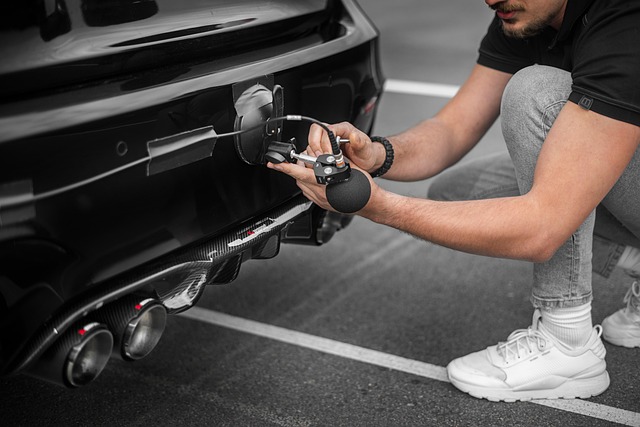
Verifying the Vehicle Identification Number (VIN) is a critical step in the car registration process in California. This unique 17-character code serves as a fingerprint for your vehicle, providing essential information about its make, model, year, and manufacturing details. Ensuring VIN accuracy is paramount to avoid issues later on, as even a minor discrepancy can delay or void registration. A simple yet effective method to confirm the VIN’s validity is through a mobile VIN verification service. These services allow you to quickly input your VIN into an online database, receiving instant feedback on its authenticity and any associated vehicle history reports.
A mobile VIN verifier, whether via an app or an online platform, will cross-reference your code with numerous databases, offering peace of mind in minutes. Many such tools also provide additional insights like recall notices, previous ownership records, and accident history, empowering California drivers to make informed decisions. For instance, a study by the National Insurance Crime Bureau (NICB) revealed that vehicles with accurate reported VINs had 30% fewer claims related to theft or fraud. This underscores the importance of meticulous VIN inspection during registration.
When using a mobile vin verification service, ensure it’s from a reputable provider. Cross-check the information provided against official vehicle history reports for discrepancies. Remember, while these tools are invaluable, they shouldn’t replace professional inspections. For vehicles with complex histories or modifications, consulting a trusted mechanic or automotive expert remains crucial. By combining advanced technology with expert knowledge, California drivers can ensure their vehicle registration process is smooth, accurate, and secure.
Choose a California Department of Motor Vehicles (DMV) Office

Choosing the right California Department of Motor Vehicles (DMV) office is a crucial step when registering your car. With numerous locations across the state, each equipped with specialized services, selecting the appropriate branch can streamline the registration process and provide access to specific resources tailored to your needs. For instance, some DMV offices offer expedited services for individuals who are eligible, while others might be better suited for handling complex vehicle transactions, such as those involving imported or classic cars.
The California DMV’s website serves as a comprehensive guide, allowing users to filter options based on factors like service type and location convenience. For example, if you’re in need of a mobile vin verification or require a same-day inspection, utilizing the online platform can help identify nearby offices that cater to these specific needs. This proactive approach ensures that you’re not only choosing an accessible location but also one that provides the services most relevant to your circumstances.
Additionally, considering the volume of transactions handled by each office is essential. Some DMV locations are better equipped to manage peak hours and high demand, ensuring faster turnaround times. If convenience and efficiency are paramount, opting for a branch with established capabilities in mobile vin inspection or streamlined digital processes can significantly enhance your overall experience. For instance, data from recent studies indicates that certain top-performing offices have average wait times of under 30 minutes during peak seasons.
Ultimately, selecting the appropriate DMV office involves balancing convenience, service offerings, and personalized needs. By utilizing the department’s online resources and understanding the unique capabilities of each location, registrants can make informed decisions, ensuring a smoother and more efficient car registration process in California.
Complete the Registration and Title Application Form

To register your car in California, you’ll need to complete several forms, including the Registration and Title Application Form (Form REG 170). This form is crucial for establishing your vehicle’s legal status and ensuring compliance with state regulations. Begin by accurately filling out the details such as the make, model, year, and Vehicle Identification Number (VIN) of your car. The VIN is a unique code that serves as a fingerprint for your vehicle, and its accuracy is paramount. Here, a mobile VIN verifier can be immensely helpful—it allows you to quickly and easily verify the VIN’s authenticity, ensuring no errors or tampering.
Next, provide your personal information, including your name, address, and signature. Ensure that all details are current and correct to avoid any delays in the registration process. The form will also require you to select the type of vehicle ownership and provide payment information for the registration fee. California offers various payment options, so choose what works best for you. Once completed, double-check your work for errors or missing data. It’s wise to use a mobile VIN verification service at this stage to confirm not only the VIN but also any existing liens or issues reported on the vehicle history report.
Submitting an incomplete or inaccurate form can lead to delays and potential penalties, so take your time and ensure everything is in order. You can submit the form through various channels, including online, by mail, or in person at a California Department of Motor Vehicles (DMV) office. If submitting online, some DMV services allow you to upload documents, including proof of insurance and vehicle inspection certificates, as digital images. This streamlines the process, saving you time and effort.
Pay Registration Fees and Obtain Your Vehicle's License Plate
To complete the registration process in California, you must pay the required registration fees along with obtaining your vehicle’s license plate. The California Department of Motor Vehicles (DMV) sets the fee structure, which varies based on the type and age of your vehicle. Fees typically cover a period of one to two years and include costs for registration, title, and vehicle inspection. You can pay these fees online or at a local DMV office using cash, check, or debit/credit cards. After payment, you’ll receive a Registration Certificate, which is valid for the specified period.
Before acquiring your license plate, you’ll need to pass a vehicle inspection. This involves verifying that your car meets safety and emissions standards. A mobile VIN verifier or mobile vin inspection can be a convenient option, allowing you to conduct the inspection at your convenience. By using this technology, your vehicle’s unique Vehicle Identification Number (VIN) is scanned to check against state databases, ensuring compliance with California regulations. Alternatively, you can visit an official DMV inspection station where a static VIN inspection will be performed. It’s crucial to ensure that your vehicle passes this step before proceeding to plate issuance.
Once your car has successfully undergone the inspection, the DMV staff will issue your license plate. This typically involves providing proof of insurance and ensuring your registration is up-to-date. The plate will have your VIN printed on it for added security and verification. It’s essential to display this plate on your vehicle at all times while driving within California. Properly displaying your license plate demonstrates compliance with state laws and aids in identifying your vehicle should any issues arise. By following these steps, you’ll ensure a seamless process of registering your car in California.
Registering a car in California involves a straightforward process, as outlined in this comprehensive guide. Key takeaways include ensuring all necessary documents are gathered, verifying the Vehicle Identification Number (VIN) accuracy using a reliable VIN verifier, and selecting the appropriate California DMV office for efficient service. Completing the Registration and Title Application Form accurately and paying the required fees culminate in obtaining your vehicle’s license plate. By following these steps meticulously, individuals can navigate the registration process with confidence, ensuring their vehicles are legally registered and road-ready.