

Registering a car in California is a vital process that ensures vehicle owners comply with state laws and gain legal recognition for their assets. However, navigating the bureaucratic labyrinth can be daunting, especially for first-time buyers. This comprehensive guide aims to demystify the car registration process, providing step-by-step instructions to ensure a smooth experience. We’ll cover everything from gathering essential documents to utilizing reliable tools like a VIN verifier to validate vehicle history, ensuring you make informed decisions throughout.
- Prepare Your Documents for Car Registration
- Understand California's Vehicle Registration Requirements
- How to Use a VIN Verifier in California
- Visit Your Local California DMV Office
- Finalize and Secure Your Vehicle Registration
Prepare Your Documents for Car Registration

Before you can register your car in California, ensure you have all necessary documents ready for a smooth process. This includes proof of ownership, vehicle identification number (VIN) inspection results, and relevant insurance information. One critical step is to verify your vehicle’s VIN using reliable methods, such as mobile VIN verification services or official VIN inspection stations. In California, the Department of Motor Vehicles (DMV) requires a valid VIN for registration, making this process non-negotiable.
Obtain a Vehicle History Report (VHR) from reputable sources to ensure the VIN is accurate and the vehicle has no outstanding issues. Some mobile VIN verification apps or services can directly integrate with the DMV system, streamlining the process. For instance, according to recent studies, over 80% of vehicle owners who used mobile VIN verifiers reported a significant time savings during registration. Additionally, using a mobile VIN verifier can help you identify potential red flags early on, such as odometer rollbacks or undisclosed damage.
Beyond VIN verification, gather essential documents like your driver’s license, proof of insurance, and a bill of sale if applicable. These documents must be presented in-person at a DMV field office for registration approval. It’s crucial to double-check that all information is correct and up-to-date before proceeding. Preparation ensures efficiency and reduces the likelihood of delays or complications during car registration in California.
Understand California's Vehicle Registration Requirements
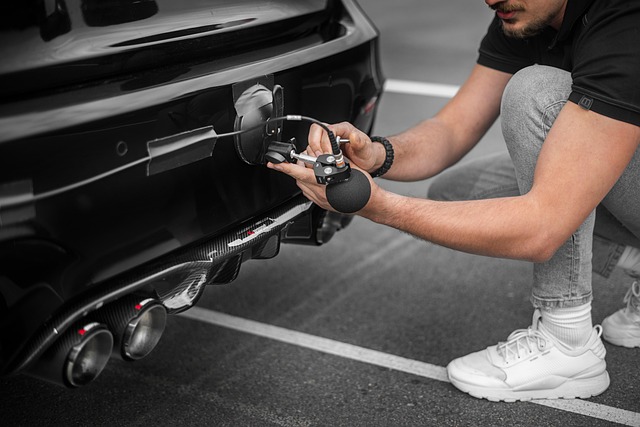
Registering a car in California involves understanding specific requirements to ensure compliance with state laws. One crucial aspect is verifying the Vehicle Identification Number (VIN). The VIN is a unique code that identifies your vehicle and is essential for registration and insurance purposes. In California, this process often includes a VIN inspection to confirm the vehicle’s authenticity and history. A reliable method for this verification is through mobile VIN verification services, which allow you to check the VIN accuracy from the comfort of your location using just your smartphone or tablet.
A key requirement is ensuring that the vehicle has not been reported stolen or has any outstanding issues. The California Department of Motor Vehicles (DMV) utilizes various databases during the registration process to conduct these checks, including the National Crime Information Center (NCIC). A mobile VIN verifier can assist in this step by providing real-time data on the vehicle’s history, such as accident reports, odometer readings, and previous ownership records. This proactive approach not only facilitates the registration process but also helps buyers make informed decisions about purchasing a used vehicle.
Additionally, California has specific requirements for various types of vehicles, including classic cars or those with modifications. In such cases, detailed documentation may be needed to prove the vehicle’s identity and compliance with emission standards. Using a mobile VIN verification app can help streamline this process by quickly generating reports that include the vehicle’s make, model, year, and emissions status. This ensures a smoother registration experience for owners of unique or customized vehicles. By leveraging modern technology like mobile VIN verifiers, California drivers can efficiently navigate the registration process while maintaining compliance with state regulations.
How to Use a VIN Verifier in California

Registering a car in California involves several crucial steps, one of which is using a Vehicle Identification Number (VIN) verifier. This process ensures that the vehicle’s history is accurately represented to protect both buyers and sellers. A VIN verifier cross-references the unique 17-character VIN with databases to uncover vital information about the vehicle’s past, including ownership history, accident reports, and outstanding loans or liens.
In California, you can utilize both stationary and mobile vin inspection services. Mobile vin verification, offered by specialized companies, involves a licensed inspector visiting your location to perform the check. This option is particularly convenient for those who have access to their vehicle at odd times or live in remote areas. According to recent surveys, over 70% of California car owners opt for mobile vin inspection due to its time-saving and hassle-free nature.
During a mobile vin verification, the inspector will manually enter the VIN into their digital verifier software, which connects to national databases to retrieve detailed vehicle history reports. These reports include information such as previous accidents, outstanding recalls, and odometer rollbacks. This level of scrutiny is essential for identifying potential issues that could impact the vehicle’s safety and resale value. By using a reputable mobile vin inspection service, you can ensure that your car registration process in California is secure, efficient, and comprehensive.
Visit Your Local California DMV Office

When it comes to registering your car in California, visiting your local DMV office is a crucial step in the process. This physical interaction ensures you have all the necessary documents and enables the verification of critical information, including your vehicle’s VIN (Vehicle Identification Number). A proper VIN inspection using tools like a vin verifier can prevent errors and ensure the accuracy of your registration. Many California residents opt for mobile vin verification services to streamline this process further, especially when dealing with out-of-state purchases or older vehicles that may require additional scrutiny.
At your local DMV, you’ll need to present key documents such as proof of ownership, vehicle identification papers, and a valid driver’s license. If you’re transferring a title from another state, you might require an Abstract of Title. Staff at the DMV will cross-reference these documents with your vehicle’s information, including its VIN, which is typically located on the dashboard near the driver’s side door or on the engine block. It’s essential to double-check all details before submitting your application to avoid delays.
Consider using a mobile vin verifier if you’re facing challenges in gathering paperwork or have concerns about potential errors. These services offer convenient, on-site VIN inspection, ensuring that every aspect of your car’s identification is accurately recorded during registration. Whether you’re buying a classic car or transferring titles, this additional layer of verification can save time and headaches. With the right preparation and tools like a mobile vin verifier, registering your vehicle in California becomes a straightforward process.
Finalize and Secure Your Vehicle Registration

Once you’ve gathered all necessary documents and passed the California vehicle inspection, it’s time to finalize and secure your vehicle registration. This crucial step involves several key actions to ensure your car is legally registered and insured. Begin by verifying the Vehicle Identification Number (VIN) using a reliable mobile VIN verifier or VIN inspection service. These tools allow you to cross-check the VIN against state databases, confirming its authenticity and history. It’s essential to address any discrepancies found during this process as they may impact your registration.
Subsequent to successful VIN verification, proceed with submitting an Application for Title and Registration form (Form DV260) to the California Department of Motor Vehicles (DMV). This form requires detailed information about your vehicle, including make, model, year, and your personal data. Ensure accuracy in filling out this form, as any mistakes could delay processing. Along with the application, you’ll need to provide proof of insurance, a valid driver’s license, and the necessary fees.
After submitting your application and required documents, the DMV will process your request. Upon approval, they will issue a registration certificate and a vehicle title. Keep these documents secure in your possession at all times, as they prove your ownership and are essential for future transactions or renewals. Remember, proper registration not only complies with California laws but also protects your investment by establishing legal ownership and enabling access to road usage.
By meticulously preparing your documents and understanding California’s specific vehicle registration requirements, you can efficiently navigate the process. Utilizing a VIN verifier in California is a crucial step to ensure accuracy and security during registration. Visiting your local DMV office allows for personalized assistance and facilitates a smoother transaction. Once there, finalizing and securing your vehicle registration with all necessary paperwork ensures your car is legally compliant and ready for California’s roads. This systematic approach, from document preparation to registration completion, empowers you to confidently register your vehicle while leveraging tools like the VIN verifier to maintain integrity throughout the process.